From Akio Toyoda and Kazuo Inamori: Bazi’s Officer and Seal Stars—Eastern Wisdom on Leadership and Legacy
Akio Toyoda and Kazuo Inamori’s shared wariness of “second-rate” catchphrases reveals the self-discipline and foresight of top entrepreneurs. In Bazi (Eight Characters) destiny analysis, the Officer Star corresponds to leadership and rule-conscio
Opening Guide
Recently, the discussion sparked by Akio Toyoda and Kazuo Inamori regarding “second-rate” catchphrases has drawn wide attention. The shared taboos of these two management gurus subtly align with the deeper logic of the Officer Star and Seal Star in Bazi.
This article does not engage in fatalistic predictions. From a rational perspective, it introduces how the Officer Star represents leadership and the Seal Star symbolizes cultural transmission, decoding the Bazi metaphors within entrepreneurial character and business philosophy.
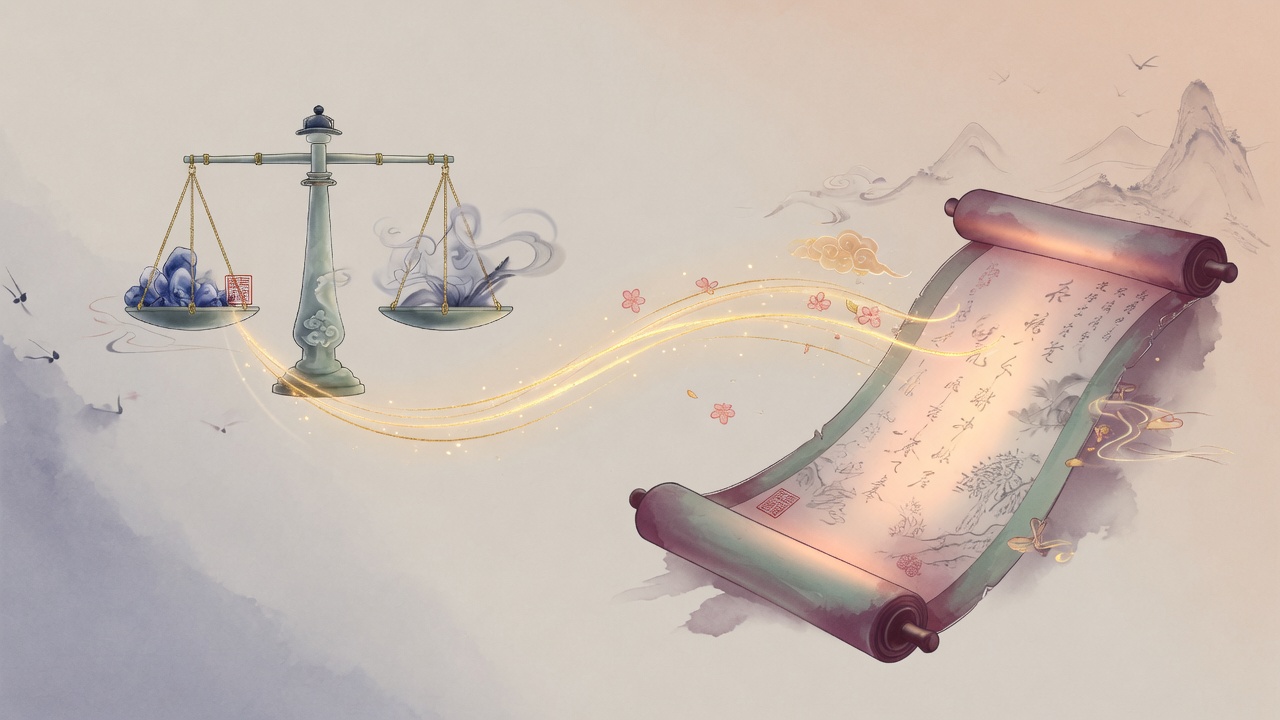
Basic Clarification: Bazi Is Not Fatalism
Common Misconceptions
- Misconception 1: Bazi can calculate every detail of life. In reality, Bazi reveals innate personality tendencies and energy configurations, not an ironclad destiny.
- Misconception 2: Officer and Seal Stars only belong to prominent figures. Every chart contains the Ten Gods; differences in strength and combination merely manifest as varying leadership styles and learning abilities.
- Misconception 3: The stronger the Officer Star, the better. An overly strong Officer Star without restraint becomes pressure; it needs the Seal Star to transform it—this is the balancing wisdom of “Officer begets Seal.”
Core Interpretation: Officer Star and Seal Star as Entrepreneurial Codes
Officer Star: The Bazi Root of Self-Discipline and Leadership
In Bazi, the Officer Star is the Ten God that controls the Day Master while differing in yin-yang polarity. It represents rules, responsibility, and managerial ability. The Direct Officer is an auspicious god that prefers purity and visibility, symbolizing integrity, law-abidingness, and accountability.
Entrepreneurs with a potent Officer Star in their charts often possess an innate sense of order and bottom-line thinking. They detest excuses and perfunctory attitudes, much like the “second-rate” catchphrases Akio Toyoda warns against.
- Akio Toyoda repeatedly emphasizes discarding excuses like “but” or “it can’t be helped”—a direct expression of the Officer Star trait of “self-restraint and ritual propriety”: first govern your own speech, then govern the enterprise.
- Kazuo Inamori’s philosophy of “Respect the Divine and Love People” is essentially the reverence and order represented by the Officer Star, turning moral self-discipline into operational principles.
- A Officer Star too weak lacks decisiveness; too strong leads to authoritarianism. Only with the support of the Seal Star can it achieve a blend of firmness and flexibility.
Seal Star: Cultural Transmission and Managerial Wisdom
The Seal Star is the Ten God that supports the Day Master, divided into Direct Seal and Indirect Seal. The Direct Seal governs learning, protection, and the continuity of traditional values, while the Indirect Seal governs unique talents and innovative thinking.
The long-term viability of a company lies in cultural transmission—exactly the domain of the Seal Star. It acts like the root system of a great tree, solidifying scattered experiences into transferable wisdom.
- The inheritance and evolution of the Toyota Production System (TPS) rely on the mentorship tradition and continuous improvement culture symbolized by the Seal Star.
- The global spread of Kyocera Philosophy exemplifies the Seal Star function of “transforming Killing into life”—converting operational pressure into a shared intellectual asset for all employees.
- When the Seal Star is favorable, individuals excel at sedimenting personal wisdom into organizational memory, preventing the enterprise from declining after the founder’s departure.
Officer-Seal Mutual Generation: The Bazi Metaphor of an Ideal Configuration
When the Officer Star and Seal Star form a flowing combination of “Officer begets Seal, Seal protects Officer” in a chart, it often manifests as the ability to establish systems while nourishing the organization through culture.
Entrepreneurs with this configuration possess both the Officer Star’s decisiveness and accountability and the Seal Star’s inclusiveness and foresight, achieving a balance between “hard management” and “soft culture.”
- Officer begets Seal: Leadership fosters a learning organization. A leader’s self-discipline naturally drives the team to form an atmosphere of respecting rules and continuous learning.
- Seal protects Officer: Cultural depth safeguards leadership authority, preventing isolation due to stubbornness. Kazuo Inamori’s late-life ordination and return to secular life is a vivid portrayal of the Seal Star transforming Officer pressure.
- Timing and Trend: People with Officer-Seal configurations tend to rally people through culture in turbulent times and leverage systems for expansion in stable periods—a pattern highly consistent with the histories of Toyota and Kyocera.
Pitfall Guide: Viewing Bazi Analysis Rationally
Key Precautions
- Don’t judge success or failure by a single star: The auspiciousness of an Officer-Seal combination depends on the whole chart. Having Officer and Seal without roots or with clashes may instead lead to indecisiveness or armchair theorizing.
- Consider Luck Pillars and Annual Cycles: An entrepreneur’s decision-making style shifts with changing luck. For instance, when the Officer Star meets supportive luck, management becomes more assertive; in years that suppress the Seal Star, cultural development may be neglected.
- Cultural differences cannot be forced: Japanese management concepts like “wa” (harmony), loyalty, and gratitude correspond to the Officer Star’s cooperation and the Seal Star’s sense of belonging, but must be understood within their specific social context.
- Never self-limit: Bazi is a cognitive tool, not a verdict. Even with a weak Officer or Seal, through acquired learning and team complementarity, outstanding leadership can still be achieved.
- Privacy and ethics: Never publicly deduce someone’s specific birth details, and do not use Bazi to predict real-world politics, economic trends, illness, or disasters. Maintain rational boundaries.
Summary and Review
The Officer Star and Seal Star in Bazi offer a unique Eastern lens for understanding entrepreneurial leadership and cultural legacy. Akio Toyoda and Kazuo Inamori’s vigilance against certain catchphrases is a daily projection of Officer Star discipline and Seal Star wisdom.
The so-called “second-rate” catchphrases are essentially the opposite of the Officer-Seal configuration—lacking Officer means no accountability, lacking Seal means no depth. The Bazi metaphor is not fatalism, but another reminder of outstanding managerial wisdom.