Boston Red Sox through the Lens of Bazi: The Metaphysical Wisdom of Character, Choices, and Timing
In August 2026, Japanese pitchers Yoshinobu Yamamoto and Masataka Yoshida faced off for the first time in the major leagues, once again turning the spotlight on the century-old Boston Red Sox. While every pitch and swing captivates millio
Opening Introduction
As Yoshinobu Yamamoto delivers with full power on the mound and Masataka Yoshida focuses intently in the batter's box, this duel between Japanese stars brings the Boston Red Sox back into the center of attention. Beyond the game, we can use the ancient wisdom of Bazi to reexamine the relationship between an athlete's character, pivotal decisions, and the currents of the times.
Bazi is by no means a fatalistic prophecy; it is a tool for analyzing energy configuration and temporal rhythms. It reveals a person’s innate temperament tendencies, behavioral style, and the opportunities and challenges they may face in different annual cycles.
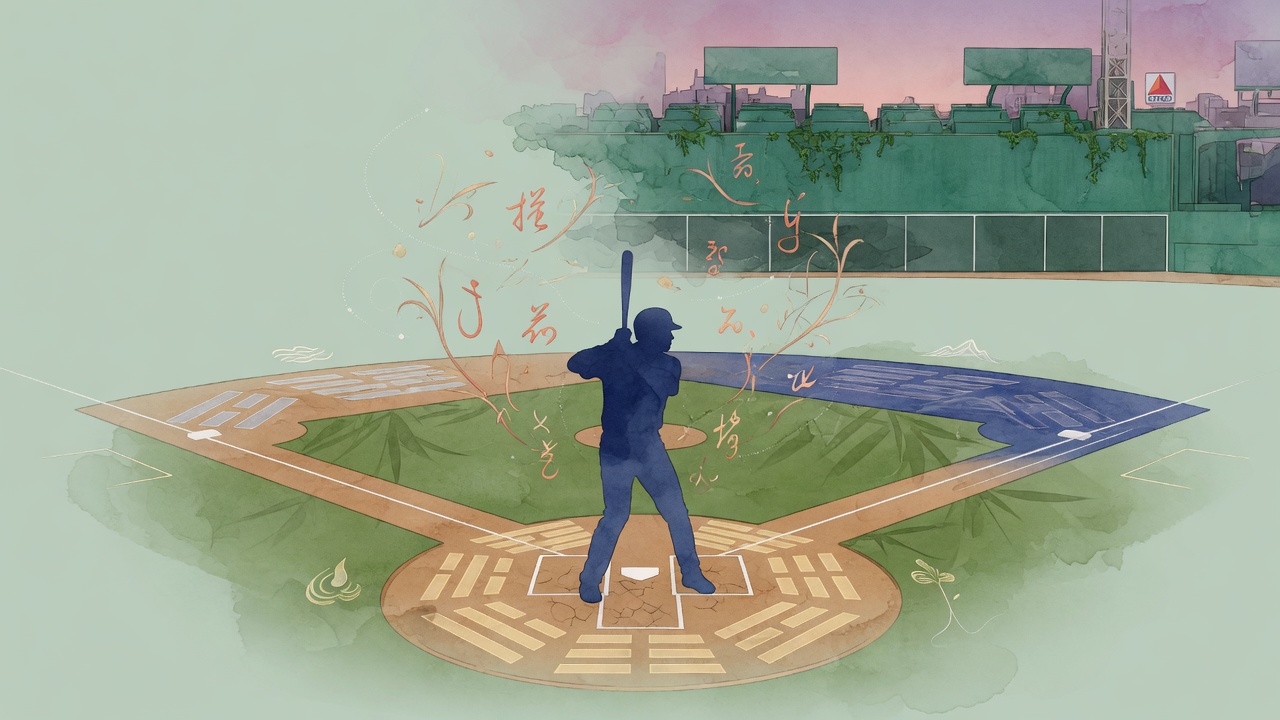
Basic Clarification: What Does Bazi Actually Reveal?
Common Misconceptions
- Misconception 1: Bazi can precisely predict game outcomes. Destiny analysis examines macro trends and personal states; it cannot quantify specific scores or single-game results, and must never be used for gambling or speculation.
- Misconception 2: Bazi determines everything, making postnatal effort useless. The natal chart only represents innate potential. Luck cycles and annual influences are dynamic variables; personal choices, training, and environment are equally critical.
- Misconception 3: Bazi has absolute standards of good or bad. Chart structures have no inherent superiority. The strength or weakness of the Day Master and the balance or bias of the Five Elements must be interpreted in the context of a specific profession—what fits the individual is the best configuration.
Core Dimensions of Bazi Analysis
- Day Master: The Heavenly Stem of the birth day, representing the person themselves; it is the starting point for analyzing all character and choices.
- Ten Gods: Ten relational symbols derived from other Heavenly Stems and Earthly Branches centered around the Day Master, such as Direct Officer, Seven Killings, Direct Resource, and Eating God, each corresponding to different psychological traits.
- Luck Cycles and Annual Influences: Ten-year fortune cycles and the Heavenly Stem and Earthly Branch of a given year, showing how the external environment activates personal energy.
- Five Element Interactions: The generating and overcoming cycles of Metal, Wood, Water, Fire, and Earth run through the entire chart, determining energy flow and balance.
Core Insights: Character, Choices, and Historical Currents Through Bazi
1. Natal Character: Why Some Are Suited to Stand on the Mound
On the baseball field, pitchers and hitters require distinctly different psychological traits. Pitchers often need calmness, focus, and stress tolerance, while hitters need explosive power and split-second judgment. Bazi outlines these character contours through the combination of Ten Gods.
For instance, people with a strong Seven Killings star usually have intense competitive drive, courage, and pressure resilience. In high-stakes environments, they can even deliver peak performance. In the charts of many top pitchers, Seven Killings is controlled or transformed, forming structures like Eating God Controlling Killing or Resource Transforming Killing, which manifest as crisis composure and decisive action.
Those with strong Eating God or Hurting Officer stars tend to be creative and improvisationally adaptive. In the batter’s box, facing different types of pitchers, they can quickly adjust their strategy. Masataka Yoshida, known for his artful hitting, may embody this agile quality of Food and Output producing Wealth.
- Direct Officer structure: Disciplined and methodical, suited for stable roles in team coordination, such as catcher or tactical executor.
- Strong Peer and Competitor stars: Abundant energy and strong competitive drive, well-suited for frequent running and clashes as a fielder, but prone to injury due to recklessness.
- Resource star guarding the body: Adept at learning and reviewing, quickly absorbing experience to maintain a steady mindset through the long season.
2. Shifting Luck Cycles: Pivotal Turning Points in a Career
In Bazi theory, Luck Cycles change every ten years, dominating the themes of each life stage. An athlete’s career is short and high-intensity; Luck Cycle transitions often correspond to fluctuations in form, injuries, or transformation.
For example, when a Luck Cycle enters a strong Wealth star phase, for an athlete it may imply rising commercial value and signing bonuses. However, Wealth can also overcome Resource. If the natal chart relies on Resource for protection, they may struggle to balance multiple demands or suffer training setbacks due to injury.
Yoshinobu Yamamoto’s move from Nippon Professional Baseball to the major leagues was precisely a resonance between his personal Luck Cycle and the opportunities of the era. If the annual Officer and Killing stars are powerful, it favors adapting to new rules and breaking through in a new environment; if Peer stars are excessive, he may encounter fierce competition.
- Transitional phase between Luck Cycles: The period around the shift from an old to a new cycle is often marked by turbulence and choices. It is wise to stay grounded and not make sudden moves.
- Annual triggers: The Heavenly Stem and Earthly Branch of a particular year may combine, clash, penalize, or harm elements in the natal chart, potentially triggering major events such as a contract year or a transfer window.
- Favorable God arrives: When the Luck Cycle or annual influence brings the very Five Element the chart most needs—the Favorable God—the individual’s state peaks, often resulting in record-breaking performances.
- Unfavorable God runs rampant: When the energy of the Unfavorable God is activated, it is better to act conservatively and avoid forcing breakthroughs to prevent major errors or injury.
3. Era and Team: The Five Element Ecology of the Boston Red Sox
A team can also be viewed as a Five Element energy field. The century-long history of the Boston Red Sox has witnessed rises and falls under the dominance of different Five Element energies. In Bazi culture, teamwork resembles the balance of Five Element interactions.
The coaching staff is like the Resource star, providing wisdom and strategy; core star players are like Food and Output, creating scoring opportunities; relief pitchers and defense are like Officer and Killing, maintaining order and defense. When a team’s internal Five Elements flow smoothly—Peers do not overstep, and Wealth and Officer are properly controlled—outstanding results often follow.
Looking at the 2026 Red Sox roster from an annual influence perspective, a year with Heavenly Stem of Bing Fire or Ding Fire might benefit Food and Output producing Wealth, sparking a hitting explosion; a year strong in Metal and Water might see the pitching staff shine. This is not a prediction; rather, it illustrates how the era’s tides potentially influence collective energy.
- Peer stars multiplying: A wealth of young players creates fierce competition, requiring Officer discipline to prevent internal friction.
- Food and Output producing Wealth: Flexible tactics and creativity can bring box-office success and commercial revenue to the team.
- Overly heavy Resource: Seasoned veterans steady the nerves of the team, but excessive weight may lead to conservative sluggishness.
- Wealth and Officer in harmony: A harmonious relationship between management and players, aligned in purpose, is an essential foundation for championship contention.
Pitfall Guide: Common Traps in Applying Bazi
Viewing Metaphysics Rationally and Avoiding Misguided Tangents
- Do not determine success or failure by a single Bazi factor: Analysis must integrate the entire chart structure, favorable and unfavorable gods, Luck Cycles, and real-world environment. No single pillar or single star can be interpreted in isolation.
- Beware of “absolute predictions”: Bazi reveals possibilities and trends, not fixed outcomes. A genuine consultant presents multiple potential paths, never asserting that a certain year will definitively bring a specific result.
- Avoid over-reliance on daily analysis: Daily fluctuations are minimal and should not guide daily decisions, let alone alter established game plans based on them.
- Never use Bazi to pry into others’ privacy: It is forbidden to deduce someone else’s specific birth data without consent. This is a fundamental respect for traditional culture and a legal and ethical bottom line.
- Distinguish between metaphysics and superstition: Burning incense to change luck or using talismans to boost strength do not belong to authentic Bazi. True Bazi science is the study of temporal energy, advocating following the trend and playing to strengths while avoiding weaknesses.
- Athletes should prioritize self-perception: Data analysis and condition management are far more important than fate analysis. If you feel physically unwell or off your game, first adjust your training rather than blaming the annual energy.
Summary and Review
The on-field story of the Boston Red Sox is like a flowing Bazi theater: each person steps onto the field with a unique Day Master and Ten Gods, making critical decisions driven by Luck Cycles and annual influences. Bazi culture is not about predicting victory or defeat; it helps us understand how character shapes choices and how the era’s currents affect opportunities.
As Yoshinobu Yamamoto and Masataka Yoshida pour their sweat into this historic showdown, we see not only the charm of athletic competition but also a microcosm of how individuals resonate with their times. To learn Bazi rationally, let go of anxiety about the unknown, and focus on each present swing or pitch—that is the true wisdom passed down through millennia.