When Im Woo-il Met Ji Yeon-soo: Decoding the Cultural Code of Interpersonal Chemistry through Saju
Recently, a blind date between Korean entertainers Im Woo-il and Ji Yeon-soo became a hot topic. Amid their laughter, people wondered: what personality traits made their first encounter so natural? In Korean folk culture, many turn to *Saju
Opening Guide
The blind date clip between Im Woo-il and Ji Yeon-soo sparked buzz, especially with the frank question, “Do you like me?” that seemed to instantly bridge the distance. In Korea, many quietly consult Saju (사주) when it comes to love, friendship, or even career choices—not to predict the outcome, but to read their own personality script.
Using this trending story, this article explains the rational understanding of Saju culture regarding personality, choices, and the times, helping readers grasp how this knowledge has endured and remains relevant.
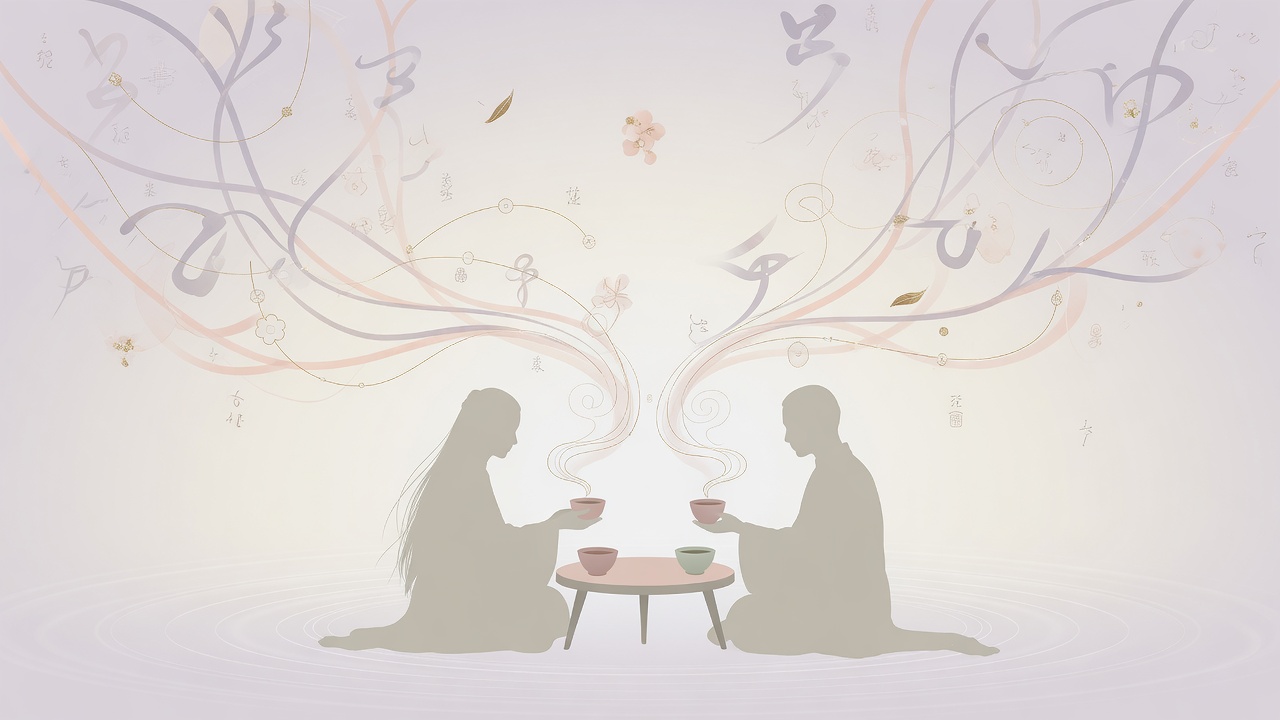
Basic Clarification: Saju is Not a Fate Spell
Common Misconceptions
Many mistakenly think that Saju determines a person’s entire life, or even use it to compare how “compatible” two people are. But true destiny analysis is more like an innate temperament report, not a verdict.
- Misconception 1: Saju decides everything. In reality, people with the same Saju can live completely different lives; environment and personal choices carry enormous weight.
- Misconception 2: Incompatible Saju means the relationship is doomed. Destiny analysis looks at interaction patterns and growth lessons, not simple good/bad labels. Understanding differences can actually facilitate adjustment.
- Misconception 3: If luck isn’t good, just give up. Ten-Year Luck Pillars and Yearly Luck are more like weather forecasts—knowing it might rain teaches us to bring an umbrella. Proactive adjustment is key.
Core Concepts: The Trio of Personality, Choice, and the Times
1. Your Factory Settings: How Day Master and the Ten Stars Shape Personality
In the Saju system, the character representing oneself is called the Day Master (or Day Stem), acting as the core of one’s personality. Around it, the other stems and branches form the Ten Star relationships (such as Proper Authority, Eating God, Companion, etc.), which outline a person’s basic tendencies in dealing with others.
For example, someone with a strong Eating God is often expressive, enjoys life, and uses humor to defuse awkwardness; someone with a heavy Proper Resource leans toward gentle listening and values emotional security. The atmosphere of a first meeting is often the silent collision of these two temperaments.
One’s personality script is not about good or bad, but about different strengths and weaknesses: a straightforward person may lack tact, while a cautious person may miss opportunities. Self-understanding is the first step to improving interpersonal relationships.
- Day Master Strength: Those with abundant energy are active and extroverted, while those with weaker energy tend to be more sensitive and introverted.
- Ten Star Combinations: People with Eating/Producing and Wealth stars have strong creativity and expressiveness; those with Officer and Resource combinations have a heavy sense of responsibility and seek stability.
- Five Element Emphasis: Wood governs benevolence, Fire governs passion, Earth governs integrity, Metal governs righteousness, Water governs wisdom—different elemental balances shape unique temperaments.
2. The Waves of Time: How Ten-Year Luck and Yearly Luck Influence Windows of Choice
Everyone is pushed by the tides of the era. In Saju, the Ten-Year Luck Pillar represents a ten-year life phase, and the Yearly Luck is the current year’s energy. They interact with one’s natal chart, creating periods of different opportunities and challenges.
2026 (Bingwu year) is abundant in Fire energy, which for certain charts can spark action and expressiveness. This explains why many public figures lately are more willing to express emotions proactively; for others, though, it may caution against impulsive mistakes.
This isn’t a simple binary of “good luck” or “bad luck.” A year strong in Officer Star may boost one’s career drive, but could also make someone overly controlling in relationships; the key is to perceive this energy and channel it constructively.
- Luck Pillar Transitions: A change in luck pillar often brings noticeable shifts in mindset and environment, marking a golden period for self-adjustment.
- Yearly Triggers: Meeting a year that combines with your Day Master can easily spark new relationships or collaborations; a clash year can drive change or bring volatility.
- Time Windows: Seize favorable years for proactive moves (studying, confessing), while in pressure years, rest and introspect for growth.
3. Decoding Interpersonal Magnetism: Saju Compatibility and Interaction Patterns
In Korea, young people often use 궁합 (Gunghap – Saju compatibility) to understand potential interaction patterns. It is not a simple “auspicious matching,” but an analysis of personality compatibility and challenging points.
For instance, if one person is mainly Eating/Producing (free expression) and the other mainly Proper Officer (order and responsibility), the initial attraction may be strong, but long-term coexistence requires adjustment: one feels constrained, the other feels a lack of seriousness. Saju provides a warning, not a verdict.
Seeing this difference becomes a starting point for understanding. Just as Im Woo-il’s easygoing vibe during the blind date might stem from Companion or Producing energies in his chart, if the other person leans toward Resource Star, they may first appreciate that directness within a safe context.
- Heavenly Stem Five Combinations: e.g., Jia-Ji combining to Earth represents natural attraction and complementarity, but one must beware of over-sacrifice by one side.
- Earthly Branch Interactions: Three Combinations, Six Combinations, or Clashes/Punishments reflect deep psychological safety points or friction zones.
- Useful God Complementarity: If each party’s needed Five Element can be obtained from the other, a mutually nourishing cycle forms.
Pitfall Guide: Let Saju Truly Help You
Precautions When Using Saju
- Reject fatalistic labels: Some panic upon hearing “Hurting Officer sees Officer,” yet many creative figures have this configuration. Labeling limits self-awareness; analyze the whole chart.
- Beware commercial traps: Many “quick luck-fixing” products exploit anxiety for profit. Real destiny adjustment involves subtle mindset and environmental tweaks, not expensive talismans.
- Don’t blindly follow single statements: Saju must integrate multiple dimensions—Ten-Year Luck, Yearly Luck, environmental Feng Shui—judging based on one pillar or one star easily leads to errors. Seek a reputable consultant for a full analysis.
- Focus on growth, not fortune-telling: Ask more “How can I better improve myself in this luck cycle?” and less “Will I divorce/be rich?” The former brings agency, the latter breeds dependency.
- Protect your privacy: Don’t easily share your exact birth details, especially online. In Korea, there have been cases of psychological manipulation using birth data; always guard your information security.
Summary and Reflection
Saju is a mirror that reflects personality potential, not a chain that locks the future. Moments like Im Woo-il’s natural demeanor on camera are often examples of how one’s chart traits are activated by the environment—we cannot choose the era, but by understanding ourselves, we can make clearer choices on the stage of interpersonal relations and the times.
Whether you believe in destiny or not, personality determines choices, and choices accumulate into destiny—this is perhaps the most pragmatic inspiration Saju culture offers modern people.